It is one of the most common questions homeowners face when redesigning an outdoor space. Both options look beautiful. Both hold up well over time. But they behave differently, cost differently, and suit different situations in ways that are worth understanding before any decision gets made.
So which one actually belongs in your yard?
What Natural Stone Brings to the Table
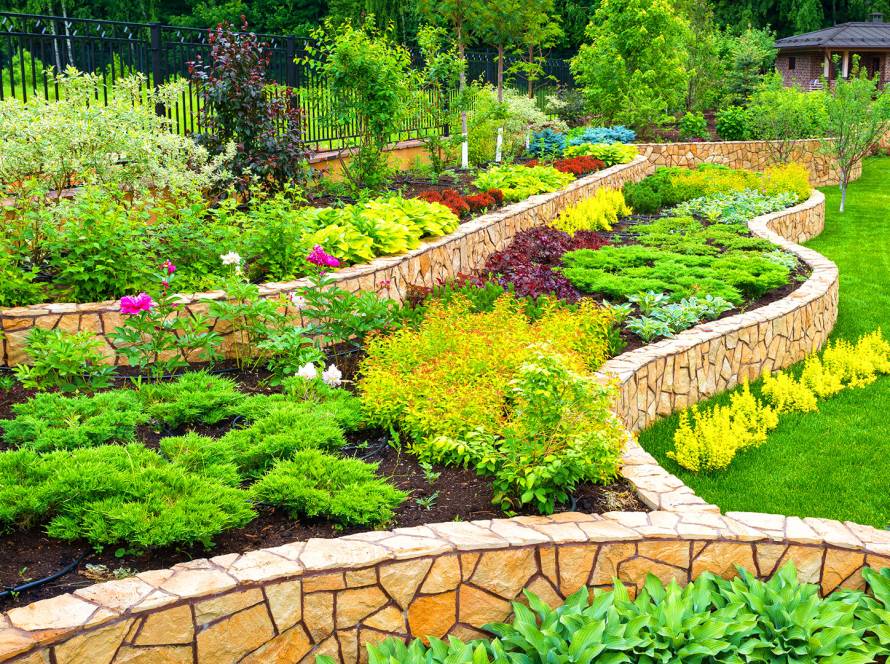
Natural stone is exactly what it sounds like. Bluestone, slate, flagstone, travertine, quarried directly from the earth, cut into usable shapes, and laid into your landscape.
Every piece is genuinely unique. The variation in color, texture, and veining is something that manufactured materials simply cannot replicate. For homeowners who want a patio or walkway that looks like it belongs to the land rather than sitting on top of it, natural stone delivers that character effortlessly.
It also ages beautifully. Decades of weathering tend to deepen its appearance rather than diminish it.
The considerations:
- Higher material cost than most paver options
- Irregular shapes require more skilled installation
- Some stone types absorb moisture and can crack in freeze-thaw climates
- Harder to replace individual pieces if damage occurs
What Pavers Do Differently
Concrete and brick pavers are engineered products. Uniform in size, consistent in color, and manufactured to precise tolerances. That uniformity is actually their strength.
Installation is faster. Repairs are simpler. If one paver cracks or shifts, you pull it out and replace it without disturbing the surrounding surface. That modularity has real practical value over the life of a hardscape.
Pavers also handle freeze-thaw cycles exceptionally well. The joints between them allow for natural movement, which is particularly relevant in climates that swing between cold winters and warm summers.
- Wide range of styles, textures, and colors available
- More accessible price point than premium natural stone
- Easier long term maintenance and repair
- Consistent surface makes large installations more predictable
The Climate Question
In New Jersey, winters are serious. Ground freezes. Water works its way into porous surfaces and expands. That cycle is hard on materials that cannot flex or drain effectively.
Pavers handle this environment reliably. Properly installed natural stone can too, but the choice of stone type matters enormously. Dense, low-absorption stones like bluestone perform well here. Softer, more porous varieties can deteriorate faster than expected.
Where Each One Shines
Natural stone tends to excel in spaces where organic beauty is the priority — garden pathways, naturalistic pool surrounds, accent walls, and areas where a handcrafted aesthetic elevates the whole design.
Pavers tend to excel in high-traffic zones, driveways, expansive patios, entertaining spaces, and walkways that need to perform consistently for decades with minimal upkeep.
The Honest Answer
Neither material is universally superior. The right choice depends on your budget, your aesthetic preferences, how the space will be used, and the specific conditions of your property. What both share is this: installed correctly, by someone who understands the materials and the site, either one transforms an outdoor space in ways that last for decades.