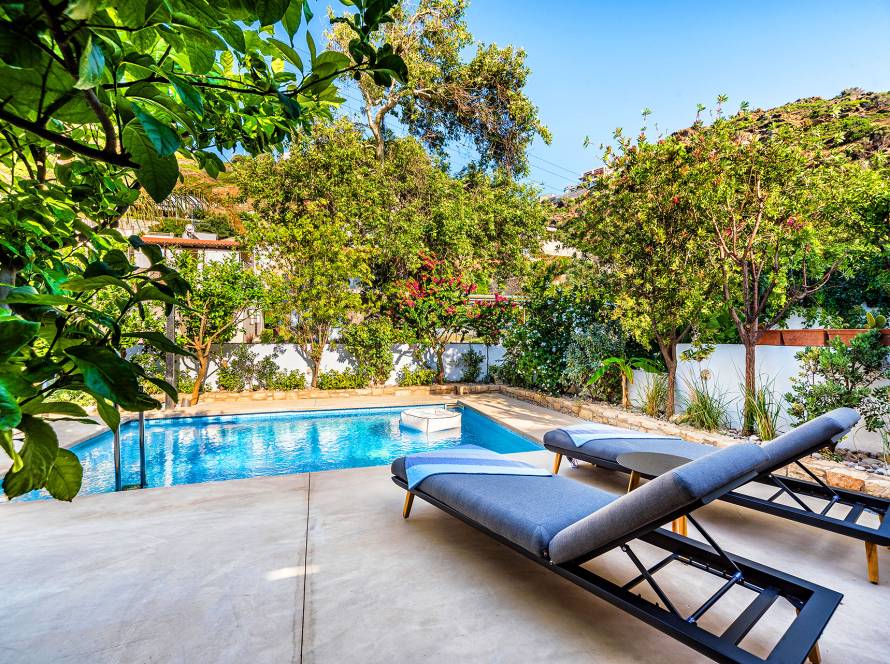
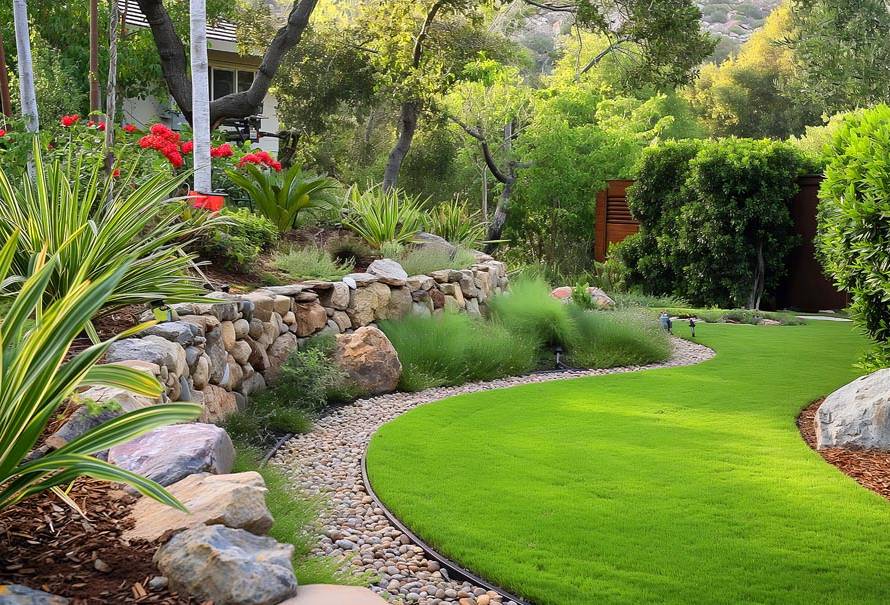
Not every home comes with a wide, open backyard. Many homeowners work with compact outdoor spaces that feel limited at first glance. Yet size alone doesn’t define how a yard feels. With thoughtful planning and smart design choices, even a small landscape can feel open, functional, and inviting.
The secret is not adding more space. It is using what already exists in a smarter way.
Creating Flow Instead of Clutter
One of the biggest challenges in small yards is overcrowding. Too many elements placed too closely together can make the area feel tight. Quality design focuses on flow. Pathways guide movement naturally. Furniture placement leaves room to breathe.
When each section of the yard connects smoothly to the next, the space appears larger. Clear sightlines help the eye travel farther, creating the illusion of depth. A simple layout often feels more expansive than a complicated one.
Using Levels to Add Dimension
Flat spaces sometimes feel smaller than they are. Introducing subtle level changes adds visual interest and breaks up the landscape without overwhelming it. A slightly raised patio, a step-down seating area, or a tiered planter creates layers that draw attention outward.
These changes do not need to be dramatic. Even minor variations can transform how a yard feels when viewed from different angles. Depth becomes the new form of space.
Materials That Reflect Light and Space
The choice of materials plays a larger role than many homeowners realize. Light-colored pavers, clean stone lines, or textured surfaces reflect sunlight and make the area feel brighter.
Consistent materials also help unify the space. When the patio, pathways, and edging share a similar style, the yard feels cohesive instead of divided into small sections. That continuity creates a sense of openness.
Smart Features That Maximize Every Inch
Quality design focuses on multifunctional elements that serve more than one purpose. Built-in seating removes the need for bulky furniture. Vertical planters add greenery without taking up floor space. Integrated lighting allows the yard to feel larger after sunset.
Some popular design ideas for compact outdoor areas include:
- Low-profile seating that keeps views unobstructed
- Narrow planting beds along borders instead of wide garden plots
- Diagonal paving patterns that visually extend the space
- Mirrors or reflective surfaces that add depth to walls or fences
Each feature contributes to a more spacious atmosphere.
Balancing Greenery and Structure
Plants bring life to small yards, but too many large shrubs can make the area feel enclosed. Strategic planting focuses on scale. Taller greenery near edges creates privacy, while lower plants closer to seating areas keep the center open. Mixing soft landscaping with structured hardscaping helps maintain balance. The yard feels layered without becoming crowded.
Designing for How You Actually Use the Space
Quality design always begins with lifestyle. A small yard designed for entertaining will look different from one meant for quiet relaxation. By focusing on purpose first, homeowners avoid adding features they rarely use.
The result is a space that feels intentional rather than overfilled.
Big Impact in a Smaller Footprint
A compact yard does not need to feel limited. With the right design approach, it can feel welcoming, organized, and surprisingly spacious. Thoughtful layouts, balanced materials, and creative features allow homeowners to enjoy outdoor living without needing more land. Sometimes the most impressive landscapes are not the largest ones. They are the spaces where every detail works together to create room to breathe, even within a smaller footprint.