Hardscapes are built to last. Stone patios. Walkways. Retaining walls. They feel permanent. Solid. Almost immune to time. But they’re not. Weather, foot traffic, and moisture slowly wear them down. Not all at once. Gradually. Quietly. The difference between a hardscape that ages well and one that looks tired comes down to maintenance.
And it doesn’t have to be complicated.
Keep Surfaces Clean Before Buildup Sets In
Dirt doesn’t just sit on the surface. It settles into joints. It holds moisture. It creates the perfect environment for stains, algae, and mildew. Regular cleaning prevents that buildup. A simple rinse with a hose helps. Occasional pressure washing, done carefully, removes deeper grime. The key is consistency.
Once the buildup hardens, it becomes much harder to remove. Clean early. Clean lightly. Avoid aggressive methods unless necessary.
Watch The Joints Between Pavers
The joints are often overlooked. But they’re critical. They hold the structure together. They prevent shifting. They control weed growth. Over time, joint sand can wash out. Gaps form. Weeds start to appear. When that happens, the surface begins to loosen.
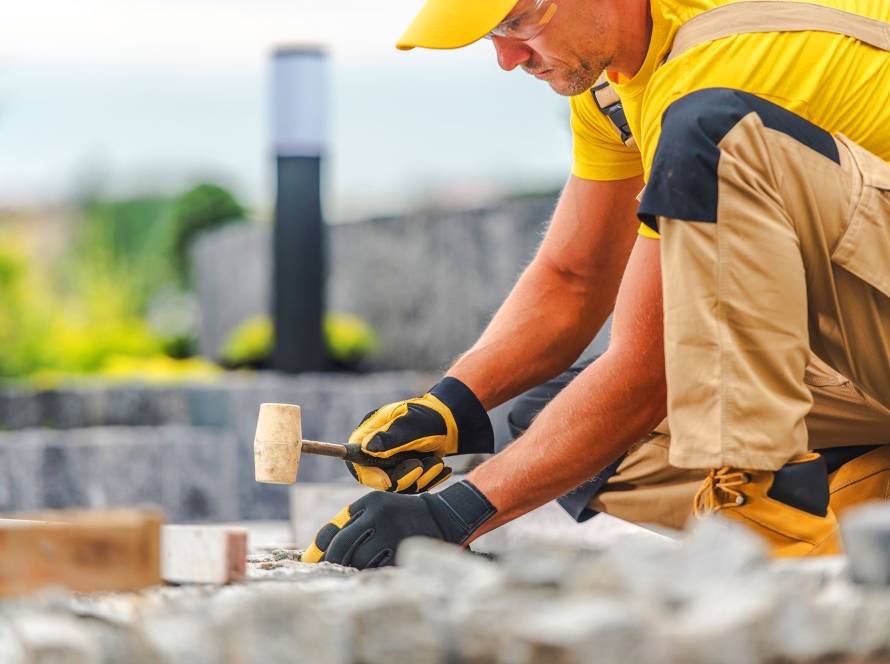
Refilling joints with polymeric sand helps restore stability. It locks pavers in place and reduces future movement. It’s a small step that protects the entire system.
Manage Water Before It Becomes a Problem
Water is one of the biggest threats to hardscapes. It seeps in. It freezes. It expands. Then it loosens materials from below. Poor drainage accelerates this process. Look for signs. Puddling after rain. Water flowing toward the surface instead of away from it.
If water isn’t draining properly, adjustments may be needed. Regrading small areas or clearing drainage paths can make a big difference. Keeping water under control protects both the surface and the foundation beneath it.
Seal Surfaces When Appropriate
Not every hardscape needs sealing. But in many cases, it helps. Sealants create a protective barrier. They reduce staining. They slow down from wear from weather and traffic.
They can also enhance color, bringing out the natural tones in stone or pavers. The key is timing.
Sealing too early, before the surface is clean and stable, traps problems underneath. Waiting too long allows damage to set in. Applied correctly, sealing extends the life and appearance of the material.
Address Small Issues Before They Spread
Minor issues rarely stay minor. A loose paver. A small crack. A slight dip in the surface. Left alone, these problems grow. They allow water in. They create movement. They lead to larger repairs. Fixing them early is simple.
Reset a paver. Fill a joint. Level a small area. These quick adjustments prevent bigger, more expensive work later.
The Habits That Make The Difference
Maintaining a hardscape doesn’t require constant effort. It requires attention.
Focus on these essentials:
- Clean surfaces regularly to prevent buildup
- Maintain joint stability with proper sand
- Ensure water drains away from the structure
- Use sealants where they add protection
- Repair small issues before they expand
These steps keep everything working as intended.
Built to Last, Maintained to Look New
Hardscapes are durable by design. But durability alone doesn’t preserve appearance. That comes from care. A well-maintained patio or walkway doesn’t just last longer. It continues to look intentional. Clean. Strong. And over time, that makes all the difference.