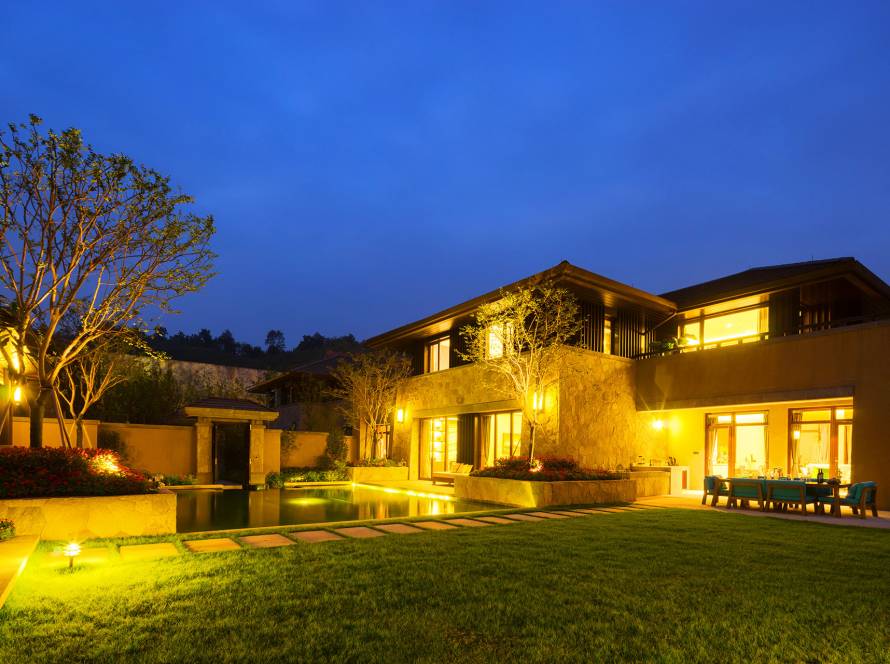
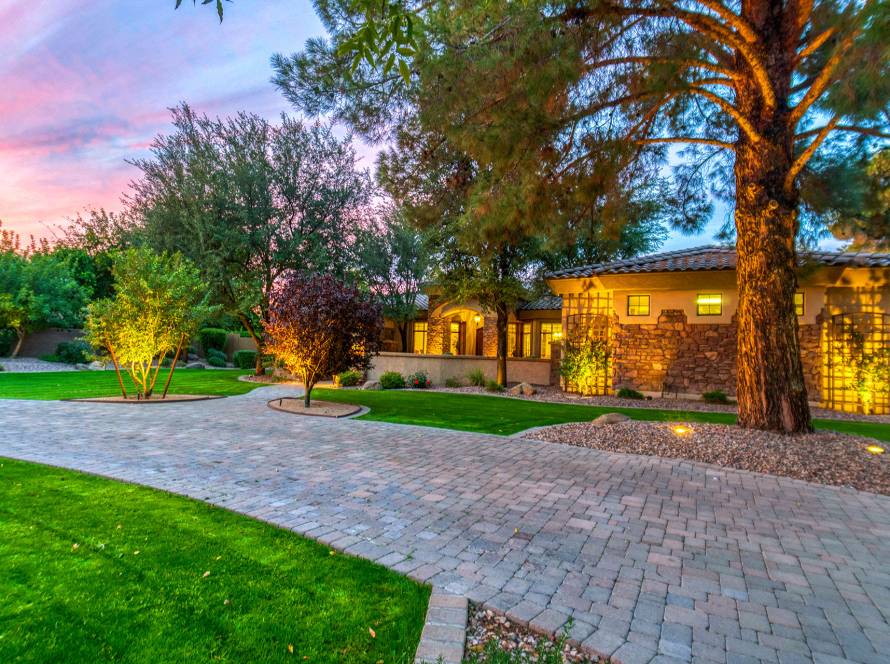
Landscaping in 2026 has shifted in tone. Loud designs are fading. Overworked yards are losing favor. What homeowners want now feels calmer, smarter, and more livable. This year’s landscaping trends focus on function first, beauty second, and longevity always. The goal isn’t perfection. It’s ease.
Here’s what’s shaping outdoor spaces in 2026.
Outdoor Spaces That Live Like Rooms
Backyards are no longer treated as decorative extras. They’re planned as extensions of the home. Homeowners are carving out clear zones. Places to cook. Places to gather. Places to slow down.
You’ll see more built-in seating, fire features that ground the space, and covered areas that stretch outdoor use into cooler months. Instead of oversized patios, layouts feel intentional. Every square foot earns its place.
The outdoors stops feeling seasonal. It becomes part of daily life.
Low-Maintenance Landscapes That Give Time Back
Time has become a real luxury. In 2026, homeowners are choosing landscapes that don’t demand constant care. Fewer lawns. Smarter planting. Less weekly upkeep.
That shows up as:
- Native and climate-adapted plants
- Perennials that return stronger each year
- Layouts that reduce trimming and watering
The yard no longer competes with the rest of life. It supports it.
Sustainability That Feels Natural
Eco-conscious landscaping isn’t performative anymore. It’s practical.
Rain gardens quietly manage runoff. Permeable surfaces reduce pooling and heat. Mulch and groundcover protect soil health while keeping the look clean and grounded. Nothing feels forced. Sustainability blends into the design instead of standing apart from it.
The best systems work silently in the background. Technology succeeds when it disappears. The yard looks natural. It just works better.
Materials That Age Gracefully
Trends come and go. Materials shouldn’t. In 2026, homeowners lean toward natural stone, wood tones that weather well, and finishes that improve with time. High-shine surfaces are out. Texture is in.
Subtle variation replaces sharp contrast. Landscapes feel settled, not staged.
Designs That Can Evolve?
Flexibility matters more than ever.
People want landscapes that can grow with them. Spaces that work for children now and still make sense later. Layouts that allow change without demolition.
That might mean open areas reserved for future use, plantings that mature predictably, or designs that welcome additions.
A Quieter Kind of Luxury
The landscapes homeowners love most in 2026 share one quality. They feel calm. They invite us without effort. They don’t shout for attention. They reflect real life, not idealized versions of it. Smart landscaping isn’t about doing more. It’s about doing what lasts.