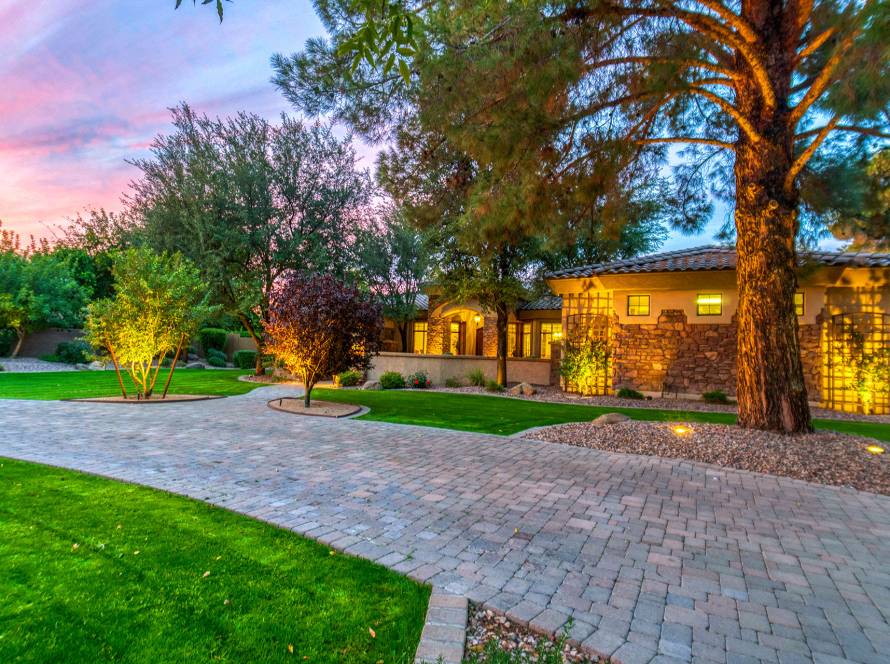
A tiny backyard doesn’t mean tiny style. Some of the most jaw-dropping outdoor spaces we’ve seen belong to homes with barely enough room to swing a hammock, proof that small patio design is less about square footage and more about smart choices. Whether you’re working with a narrow side yard, a modest concrete slab, or a cozy apartment balcony, the right layout, materials, and furniture can transform cramped into charming. Let’s dig into how to make your small outdoor space feel bigger, better, and totally yours.
What is the best design for a small patio?
The best small patio design uses multi-functional furniture, vertical planting, and a single cohesive color palette to create visual flow. Choose foldable or stackable seating, define zones with rugs or pavers, and keep sightlines open. Scale everything down, oversized pieces make small spaces feel cramped instead of cozy.
Why Small Patios Deserve Big Design Energy
It’s easy to assume that a small outdoor area isn’t worth decorating properly. That mindset is exactly why so many compact patios end up as junk storage instead of relaxing retreats. In reality, small spaces are easier to transform because every design decision has an outsized visual impact.
A few thoughtful upgrades, a new surface, better lighting, the right plants, can completely change how the space feels. Think of your small patio as a design puzzle rather than a limitation.
Start With the Right Layout
Before buying a single planter or chair, take time to actually study your space. Layout mistakes are the number one reason small patios feel cluttered or awkward.
Measure Before You Shop
Grab a tape measure and sketch out your patio dimensions on paper. Note where doors swing open, where drainage runs, and where sunlight hits throughout the day. This simple step prevents the classic mistake of buying furniture that’s technically “small” but still too big for your actual footprint.
Define Zones Even in Tiny Spaces
Even a 6×8-foot patio can have a distinct dining corner and a lounge corner. Use these tricks to separate zones without walls:
- Layer an outdoor rug under seating to anchor a “room”
- Switch paver patterns or colors between zones
- Use planters or low shelving as soft dividers
- Hang string lights above the primary gathering spot
Choosing Furniture That Doesn’t Overwhelm the Space
Furniture is where most small patio designs go wrong. Bulky sectionals and full dining sets look great in showrooms but swallow tiny patios whole.
Do This
- Foldable bistro sets
- Nesting side tables
- Wall-mounted drop-leaf tables
- Slim-profile chairs with breathable backs
Avoid This
- Deep sectional sofas
- Oversized fire pit tables
- Bulky umbrella bases
- Solid, opaque privacy walls
Multi-purpose pieces are your best friend here. A storage bench that doubles as seating, or an ottoman that hides cushions, keeps clutter down while maximizing usable space.
Flooring and Surface Choices Matter More Than You Think
The ground beneath your feet sets the entire tone of a small patio. Light-colored surfaces visually expand a space, while dark or busy patterns can make it feel boxed in.
Concrete remains one of the most versatile and affordable options for compact outdoor areas, especially when paired with creative finishes like stamped textures, stains, or exposed aggregate. If you’re working with a limited budget but want a polished look, these concrete patio ideas show how far a small investment can go in transforming a plain slab into a designer-looking space.
Other Surface Options Worth Considering
- Interlocking pavers: Easy DIY installation, great for renters
- Composite decking tiles: Snap into place over existing concrete
- Gravel with steel edging: Budget-friendly and adds texture
- Artificial turf strips: Softens hard surfaces without maintenance
Using Color to Trick the Eye
Small spaces benefit enormously from a limited, cohesive color palette. Too many competing colors create visual noise that makes a patio feel chaotic and cramped.
Stick to two or three main colors, one neutral base, one accent, and one natural green from plants. This restraint creates a calm, curated look that photographs beautifully and feels larger in person.
Vertical Space Is Your Secret Weapon
When floor space runs out, look up. Vertical gardening, hanging planters, and wall-mounted shelving add greenery and storage without eating into precious square footage.
- Install a trellis for climbing vines like jasmine or clematis
- Hang planters from railings or overhead beams
- Mount a narrow shelf for herbs or succulents
- Use a pegboard wall for tools, lights, or decor swaps
Lighting That Makes a Small Patio Feel Magical
Lighting does double duty on small patios: it extends usable hours into the evening and adds ambiance that makes the space feel intentional rather than accidental.
Layer your lighting the way you would indoors. Combine ambient string lights overhead, task lighting near seating for reading or dining, and subtle accent lighting along pathways or planters. Solar-powered options are especially practical for renters or anyone hesitant to run new wiring.
Privacy Without Losing Light or Space
Privacy is often the biggest concern in small patios, especially in townhomes or apartments with close neighbors. The trick is achieving privacy without creating a claustrophobic box.
- Bamboo or reed screening lets light filter through while blocking sightlines
- Tall, narrow planters with ornamental grasses soften edges naturally
- Retractable outdoor curtains offer flexible, on-demand privacy
- Lattice panels with climbing plants add greenery and screening together
Final Thoughts
Designing a small patio isn’t about squeezing in as much as possible, it’s about editing down to what truly matters. Prioritize multi-functional furniture, a cohesive color scheme, smart vertical storage, and layered lighting to create a space that feels intentional rather than cramped. With the right surface choices and a few strategic upgrades, even the tiniest patio can become the most-used square footage in your entire home.
Frequently Asked Questions
How do I make my small patio look bigger?
Use light, neutral colors, keep furniture low-profile, and add a large mirror or reflective decor to create the illusion of depth. Diagonal paver patterns also help stretch the perceived width of the space.
What size furniture works best for a small patio?
Look for furniture scaled down from standard indoor sizes, bistro sets, slim-arm chairs, and foldable tables work well. Always leave at least 24-30 inches of walking clearance between pieces.
Can I still have a fire feature on a small patio?
Yes, tabletop fire bowls or small portable fire pits are great alternatives to full-size fire pit tables. Always check local fire codes and maintain proper clearance from structures and furniture.
What plants work best in tiny outdoor spaces?
Compact and vertical growers like herbs, succulents, dwarf shrubs, and climbing vines maximize greenery without consuming floor space. Container gardening also allows flexibility to rearrange as needed.
Is concrete a good option for a small patio?
Absolutely. Concrete is durable, low-maintenance, and can be customized with stains, stamping, or textures to look far more expensive than the material cost suggests, making it ideal for compact budgets and spaces.