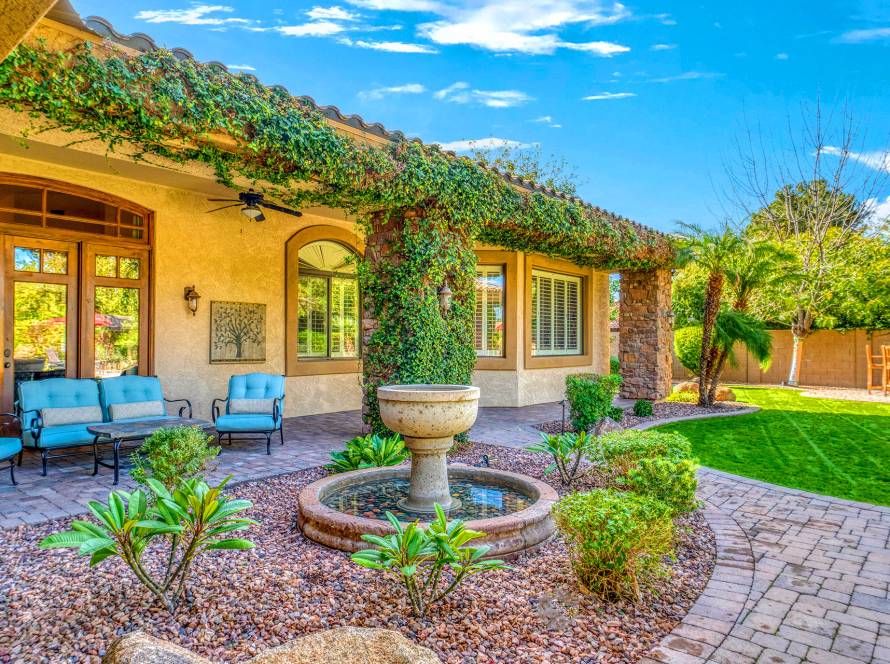
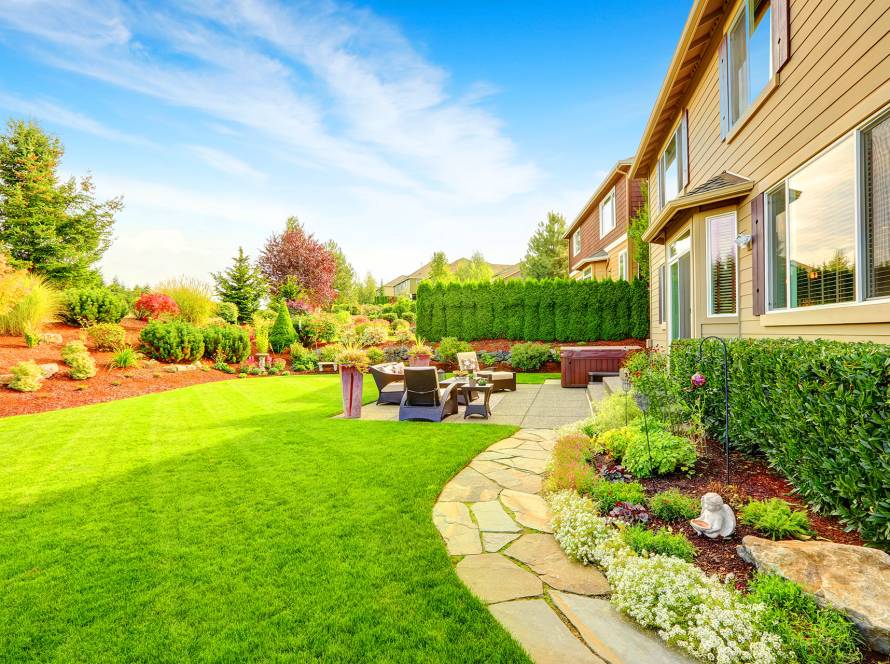
Most walkways are treated as afterthoughts. A way to get from here to there. Functional. Forgettable.
But the best ones do something more. They slow you down. They guide you. They create a subtle sense of movement and anticipation. A well-designed walkway doesn’t just connect spaces. It tells a small story along the way.
Movement Shapes Experience
How you move through a space affects how you feel in it.
A straight, rigid path signals efficiency. Get in. Get out. There’s nothing wrong with that in the right context. But in residential landscapes, movement can be gentler. More expressive. Curves soften the pace. Changes in width invite pause. A slight shift in direction creates curiosity about what’s next.
When a walkway encourages awareness, the space feels richer.
The Journey Matters as Much as the Destination
Think about how people approach your home. Do they rush to the front door, eyes down? Or do they arrive gradually, noticing the garden, the textures, the light?
A walkway that feels intentional creates a transition. From public to private. From busy to calm. From the outside world to home.
This transition doesn’t need to be dramatic. It just needs to feel considered.
Subtle Design Cues Make a Difference
The most effective walkways rely on nuance, not spectacle. A change in material can signal a new zone. A slight elevation shift can create rhythm. Planting along the edges can frame the path without enclosing it.
Even small decisions add up:
- Stepping stones that slow your stride
- Gentle curves that reveal views gradually
- Varied textures underfoot
- Edges softened with greenery or gravel
Walkways Set the Tone for the Entire Landscape
Before anyone reaches your patio, garden, or front door, the walkway sets expectations. Is the space formal or relaxed? Natural or refined? Structured or free-flowing?
A rigid path paired with loose planting sends mixed signals. A soft path leading to a modern home can feel unfinished. Alignment matters. When the walkway matches the character of the space, everything feels cohesive.
Time Changes How Paths Are Experienced
Walkways don’t stay static.
They look different in morning light than they do at dusk. Rain deepens color. Snow simplifies form. Leaves collect in corners. Shadows shift. Designing with time in mind adds depth. Paths that feel pleasant in every season tend to use materials that age well and layouts that allow the environment to participate.
A path that grows more beautiful with wear feels alive.
More Than a Line on a Plan
On paper, a walkway is a line connecting points. In reality, it’s an experience unfolding step by step. When designed with care, it becomes part of daily life. A ritual. A moment of transition. A quiet journey repeated again and again.
And over time, those small journeys become part of what makes a place feel like home.