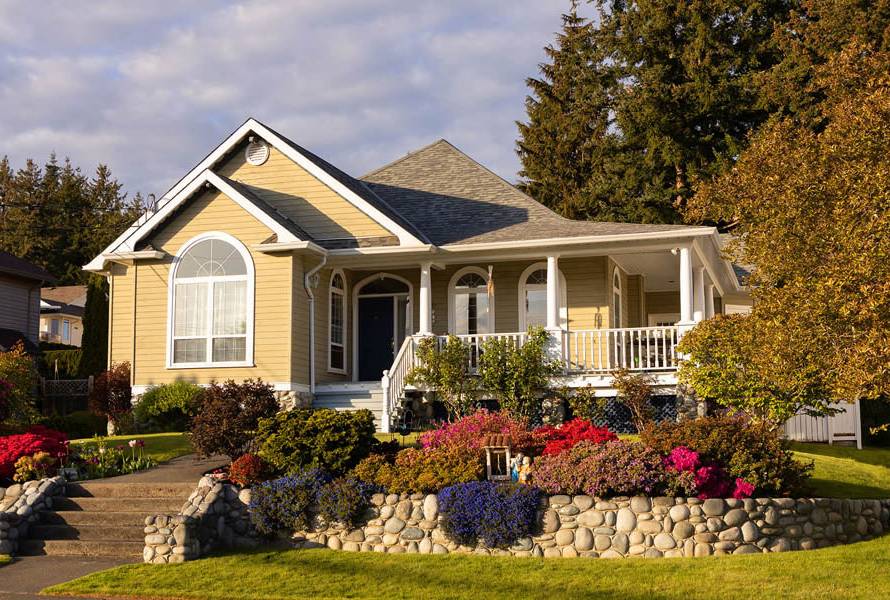
A good landscape doesn’t shout. It invites. It frames your home, guides the eye, and quietly shapes how you feel the moment you arrive. Choosing the right landscape design isn’t about copying trends or filling space with plants. It’s about creating harmony between the land, the house, and the way you actually live.
That takes a little thought. And a willingness to slow down before digging in.
Start With How You Use the Space
Before thinking about style, think about behavior. Do you host often? Need space for kids to roam? Prefer quiet mornings with coffee and birdsong? A landscape should support real life, not an idealized version of it.
Ask yourself a few honest questions:
- Do you want an open lawn or defined outdoor rooms?
- Will the space be viewed more than used?
- How much time can you realistically spend maintaining it?
The answers narrow your options faster than any design magazine ever could.
Let the Architecture Lead
Your home already tells a story. The landscape should continue it.
A modern home often pairs best with clean lines and restrained planting. Traditional architecture tends to welcome layered beds, softer edges, and symmetry. Rustic homes feel grounded with natural stone, native plants, and informal paths.
When landscape and architecture speak the same language, the result feels effortless. When they clash, something always feels off, even if you can’t explain why.
Respect the Land You’re Working With
The land has opinions. Ignore them, and it will remind you later. Slope, soil, sun exposure, drainage, and wind patterns all influence what will thrive and what will struggle. Good landscape design works with these conditions, not against them.
A flat yard invites different solutions than a hillside. A shaded lot demands a different palette than one baked in the sun all day. Design that respects the site ages better. It looks settled, not forced.
Think in Layers, Not Features
It’s tempting to design by checklist. Patio. Walkway. Trees. Fire pit. Instead, think in layers. Structure first. Then movement. Then texture.
Hardscape defines how you move through the space. Planting adds softness, privacy, and rhythm. Details bring personality, but they come last. Strong landscapes feel cohesive because every element supports the whole.
Maintenance Is Part of the Design
Low maintenance doesn’t mean boring. High maintenance doesn’t mean better. The right design matches your tolerance for upkeep. Overly complex planting schemes can become burdensome. Too simple, and the space may feel flat.
Balance matters.
Smart designs often include:
- Durable materials that weather well
- Plants suited to local conditions
- Layouts that allow easy access for care
- Intentional empty space to let the design breathe
A landscape you can live with is better than one you admire from afar.
Make It Feel Like Home
The best landscapes feel personal. They reflect how you unwind. How do you gather? How you move through your day. They don’t need to impress strangers. They need to serve you.
When design aligns with lifestyle, the result feels natural. Comfortable. Right. And that’s when a yard becomes more than land around a house. It becomes part of the home itself.